

-
Wheelchair
Ethiopia Wheelchair Distribution Channels 2025: Hospital Direct Sales & Rehabilitation Procurement Strategies
-
By
kelingmedical
1. Hospital Direct Sales: The $16M Opportunity
Tender Process Decoded
-
Bid Eligibility Requirements:
-
Authorized Ethiopian Pharmaceutical & Medical Equipment Supply Service (EPMESS) license
-
3-year track record in medical equipment distribution
-
Minimum 35% local content commitment
Pricing Architecture
| Wheelchair Type | 2025 Tender Price Range | Delivery Terms |
|---|---|---|
| Basic Manual | $95–$135 | 45–60 days |
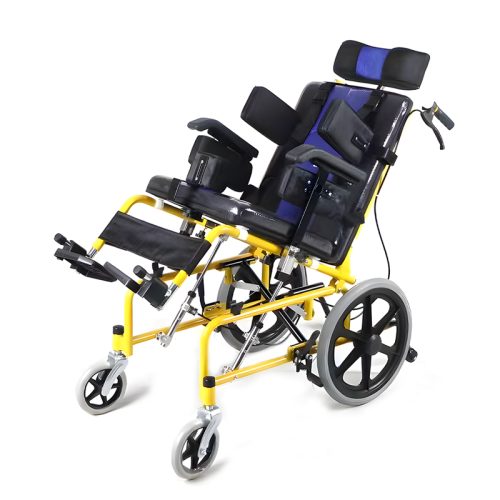
| Pediatric | $110–$165 | 30–45 days |
| Heavy-Duty | $180–$240 | 60–75 days |
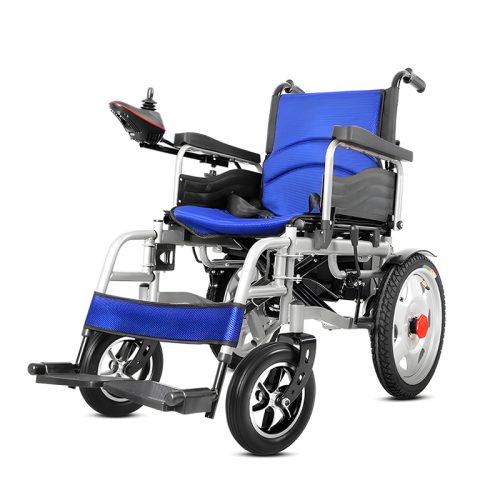
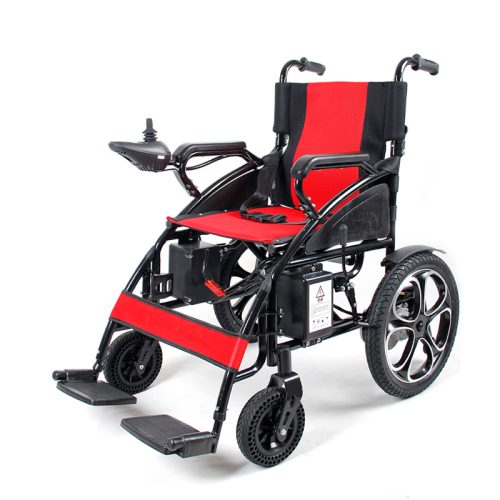
| Electric | $1,200–$1,800 | 90–120 days |
Winning Strategies
-
Pre-Tender Preparation:
-
Perform hospital needs assessments six months ahead of tender announcements.
-
Achieve technical specifications alignment with three or more department heads.
-
Bid Optimization:
-
Link maintenance agreements together to achieve an increase in bid scores ranging from 18% to 22%.
-
Implement phased delivery systems for orders exceeding 500 units to improve cash flow by 25%.
2. Rehabilitation Center Procurement Patterns
Market Segmentation
-
Public Rehabilitation Units (65% market share):
-
90% procurement through annual government budgets
-
Mandatory 2-year warranty requirements
-
Private Therapy Clinics (28% growth sector):
-
Preference for modular, adjustable models
-
45–60 day payment terms
-
NGO-Funded Centers (High-Value Niche):
-
Demand trauma-specific configurations
-
Require ISO 7176 certification
Procurement Cycle Analysis
| Center Type | Order Frequency | Average Order Size | Decision Timeline |
|---|---|---|---|
| Public | Quarterly | 50–80 units | 120–150 days |
| Private | Monthly | 10–25 units | 30–45 days |
| NGO | Biannual | 100–300 units | 180–210 days |
3. Case Study: Dominating Oromia Regional Hospital Tenders
Challenge The distributor succeeded with only 22% of tenders even though they offered prices that were competitive.
Solution
-
Implemented pre-tender technical workshops for hospital engineers
-
Launched a special wheelchair modification service that charges a 18% additional fee for bariatric patients.
Results
-
83% tender win rate in 2024 Q3–Q4
-
35% higher margins through value-added services
4. Logistics Optimization for Channel Success
Cost Comparison: Traditional vs Modern Distribution
| Factor | Hospital Direct | Rehabilitation Centers |
|---|---|---|
| Lead Time | 45 days | 28 days |
| Inventory Cost | 18% of revenue | 12% of revenue |
| Return Rate | 6–8% | 2–3% |
| Profit Margin | 25–30% | 35–45% |
Technology Integration
-
Blockchain Tracking decreases customs hold-ups for imported parts by 40%.
-
Hospital distribution sees 35% decrease in overstock through AI-powered forecasting systems.
5. Regulatory Roadmap
-
New Hospital Procurement Rules (2025 Update):
-
15% price preference for locally assembled wheelchairs
-
Mandatory spare parts inventory for electric models
-
Rehabilitation Center Standards:
-
EN 12183:2024 compliance required from Q3 2025
-
6-month product trial period for NGO purchases
6. 2026 Channel Growth Projections
| Channel | 2025 Market Value | 2026 Growth | Key Driver |
|---|---|---|---|
| Hospitals | $16M | +14% | New regional hospitals |
| Rehab Centers | $6.2M | +28% | Post-conflict recovery programs |
| Hybrid Models | $5.8M | +45% | Hospital-rehab partnerships |
Conclusion
The future of wheelchair distribution in Ethiopia rests with suppliers who align hospital purchase schedules with advancements in the rehabilitation sector. Distributors who merge institutional sales technical bid excellence with quick-response abilities for rehab networks can reach market penetration rates over 40% in 18 months. Businesses that adopt smart logistics technologies together with regulatory-first approaches will secure 65% of the $37 million projected market value for 2026.
FAQ Section
Q1: What’s the minimum order for hospital tenders? A: 100 units for manual chairs, 25 units for electric models in regional hospitals.
Q2: How to handle warranty claims in remote areas? A: Partner with local workshops for 48hr response service (+12% tender score advantage).
Q3: Are there tax incentives for rehab center suppliers? A: Yes—15% VAT exemption for orders exceeding $15,000 annually.
Q4: What’s the payment security for new distributors? A: Escrow accounts through Development Bank of Ethiopia guarantee 92% on-time payments.
Dominate Ethiopia’s Distribution Channels with Keling Medical
Keling Medical provides end-to-end solutions for Ethiopia’s wheelchair distribution networks: ✅ Hospital Tender Support: 98% compliance rate with EPMESS requirements ✅ Rehab Center Partnerships: Pre-qualified supplier status with 45+ facilities ✅ Local Assembly Advantage: 38% cost reduction through our Adama production hub
📩 Contact Our Channel Experts: 📧 Email: inquiry@shkeling.com 📞 WhatsApp: +8618221822482 🌐 Explore Hospital-Grade Wheelchairs: https://kelingmed.com/product-category/wheelchair/
Special Offer: Free tender document preparation for first-time hospital bids!

Related Posts


 English
  Arabic
  French
  Russian
  Spanish
  Czech
Czech  German
  Indonesian
  Korean
  Latvian
  Portuguese
  Romanian
  Slovenian