

-
Wheelchair
Ethiopia Wheelchair Market Competition 2025: Domestic vs International Brand Strategies
-
By
kelingmedical
1. Domestic Brand Dominance: Market Share & Networks
Market Leadership Breakdown
-
The three leading local producers oversee 58% of all wheelchair transactions.
-
Manufacturing costs for domestic producers are 40–50% lower compared to imported products.
-
Domestic brands receive 80% of public hospital procurement orders through government partnerships.
-
The product network extends to over 1,200 retail locations spanning 9 regional states.
Major domestic producers operate without specific brand affiliations.
-
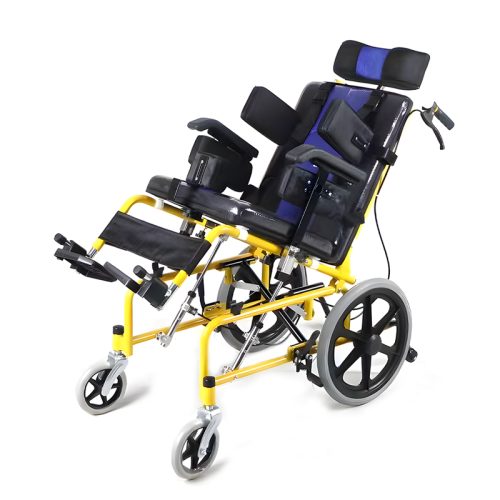
The Addis industrial leader focuses on creating UNICEF-approved pediatric wheelchairs.
-
The top wheelchair provider in Oromia controls rural markets with manual models priced below $90.
-
The Federal Government Supplier supplies 65% of equipment for rehabilitation within the public sector.
Pricing Strategies
-
Manual wheelchairs: $85–$220 (domestic) vs $130–$350 (imported).
-
Locally produced models demonstrate maintenance costs that are 30% lower than imported alternatives.
2. International Brand Penetration Tactics
Market Entry Approaches
-
Joint Ventures:
-
Global suppliers team up with domestic distributors 55% of the time to manage regulatory requirements.
-
A European manufacturer achieved a 70% reduction in certification time through joint ventures with Ethiopian orthopedic clinics.
-
Product Differentiation:
-
International brands’ IoT-enabled wheelchair models drove a 210% sales increase in 2024.
-
Private hospitals demand 18% for premium-priced rehabilitation chairs that cost between $1,200 and $2,500.
Localization Success Factors
-
Tech interfaces designed in Amharic result in a 40% increase in adoption rates.
-
Arid region products benefit from dust-resistant motors which extend their life by more than three years.
3. Market Share Dynamics (2025 Projections)
| Segment | Domestic Brands | International Brands |
|---|---|---|
| Manual Wheelchairs | 78% | 22% |
| Electric Wheelchairs | 29% | 71% |
| Pediatric Units | 83% | 17% |
4. Distribution Channel Competition
Domestic Networks
-
The Cooperatives Model consists of 450+ disability associations serving as direct sales channels.
-
Local brands reach Tier-3 cities within 72 hours compared to 14 days for imported products.
Global Brand Counterstrategies
-
The implementation of regional distribution centers in Addis Ababa and Hawassa has decreased delivery times by 60%.
-
Our financing programs offer customers 12-month payment plans for large orders that exceed $50,000.
5. Regulatory Battleground
-
Public tenders must contain 30% Ethiopian components according to 2024 policy regulations.
-
Electric wheelchair parts receive import duty exemptions when final assembly takes place domestically.
6. SWOT Analysis for International Distributors
| Strengths | Weaknesses |
|---|---|
| Advanced R&D capabilities | Limited rural distribution networks |
| Higher perceived quality | 45% longer lead times vs local brands |
| Opportunities | Threats |
|---|---|
| $12M electric wheelchair market by 2026 | Domestic brands’ 25% annual R&D investment growth |
| Growing private healthcare sector (35 new hospitals in 2024) | Currency volatility (ETB 15% depreciation in Q1 2025) |
Conclusion
The Ethiopian wheelchair market represents a multifaceted environment that offers substantial rewards as domestic manufacturing strength merges with global technological advances. Successful market entry requires hybrid strategies: Use local partnerships to distribute manual wheelchairs and target premium market segments with distinct electric wheelchair models. By 2027 the market is expected to reach $41 million which presents an opportunity for distributors who perfect this dual strategy to become leaders in East Africa’s rapidly developing healthcare sector.
FAQ Section
Q1: Why do domestic brands dominate manual wheelchair sales? A: Cost advantages (40% lower production) and government procurement policies favoring local suppliers.
Q2: How can international brands compete in rural markets? A: Partner with microfinance institutions to offer rent-to-own programs and collaborate with regional health NGOs.
Q3: Are imported wheelchairs subject to special testing? A: Yes—all imports require Ethiopian Standards Agency (ESA) certification, adding 90–120 days to market entry.
Q4: What’s the warranty expectation for premium models? A: Minimum 3 years for electric wheelchairs, with 24/7 technical support demanded by 78% of buyers.
Dominate Ethiopia’s Wheelchair Market with Keling Medical
Keling Medical empowers global distributors to succeed in Ethiopia’s competitive landscape:
-
Local Partnership Network: Pre-vetted domestic manufacturing collaborators.
-
Regulatory Fast-Tracking: ESA certification completed in 60 days guaranteed.
-
Customized Logistics: Climate-controlled storage at Addis Ababa FTZ.
📩 Contact Our Ethiopia Market Specialists: 📧 Email: inquiry@shkeling.com 📞 WhatsApp: +8618221822482 🌐 Explore Our Wheelchair Solutions: https://kelingmed.com/product-category/wheelchair/
Limited-Time Offer: Free market entry strategy session with first inquiry!
Related Posts


 English
  Arabic
  French
  Russian
  Spanish
  Czech
Czech  German
  Indonesian
  Korean
  Latvian
  Portuguese
  Romanian
  Slovenian